
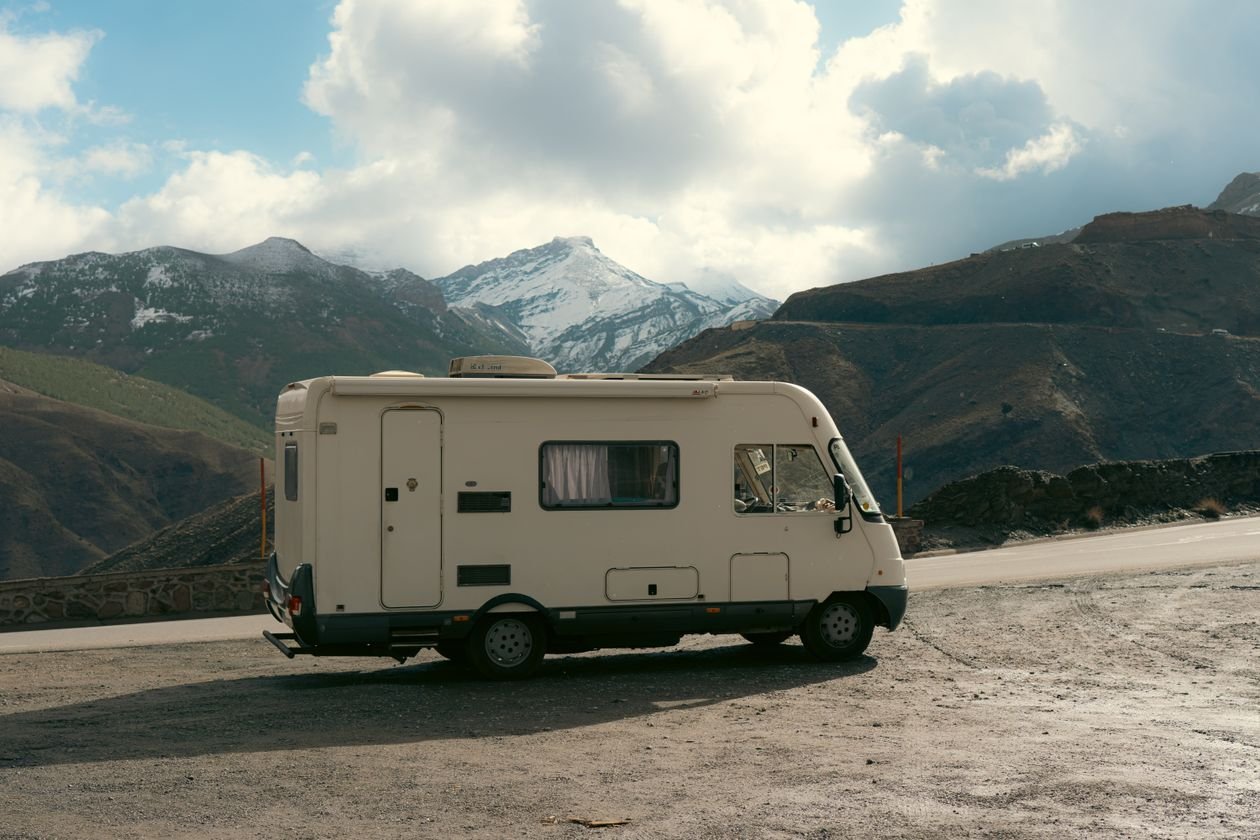
Working from a rig sounds like freedom until the water line freezes at 5 a.m. and a client call starts at 8. I met a mobile bookkeeper last winter who had a spotless client list and a frozen hose, and she said the hose was the bigger crisis. She was right.
This post shows how to keep a business visible, a vehicle livable and a budget intact when you live and work on wheels in cold months.
Get Found Where Your Customers Search
Mobile businesses still need local presence. Customers search on their phones, usually in a hurry, and they pick whoever shows up first with clear details. Your location may change, but your service area does not.
Start with the basics. Claim your business profile, list your service area instead of a street address, and keep hours accurate. Ask each happy customer for a short review. Photos of real work beat stock images every time.
If you want a fuller walkthrough of how local discovery works, you can learn more about getting found when everyone is searching on a phone.
| Visibility task | Effort | Payoff |
|---|---|---|
| Complete business profile | One hour | High |
| Weekly photo update | Ten minutes | Medium |
| Review request after jobs | Two minutes | High |
| Service area page on your site | Half a day | Medium |
Keep your contact details identical everywhere. Small mismatches confuse both customers and search engines.
Design a Rig That Works as Home and Office
Space is the hidden cost. A cramped desk, poor lighting and weak signal quietly drain productivity. I tested three layouts over one season and found that a fixed workspace, even a small one, beat a flexible table that had to be set up daily.
Here is what a winter ready workspace needs:
- A dedicated desk spot that never doubles as a dining table
- Reliable power with backup for essential gear
- A signal booster or a second data source
- Soft lighting that does not glare on screens
- Insulated windows or reflective covers
- A small heater rated for the space and used safely
- Storage that keeps client files dry
Seven essentials. Fix weak spots before the first cold week, not during it.
A broader look at the lifestyle helps too. If you are weighing the trade-offs of life on the road, this website gives a useful perspective on living on wheels without feeling deprived.
Keep Water Lines From Freezing
Water is the first thing to fail in cold weather. Exposed hoses, outside fittings and low-slung tanks lose heat fast.
Layer your protection. Insulate every exposed line, store the hose when temperatures drop, and keep tanks above freezing. For lines you cannot avoid, many rig owners add heating tape designed for this use, following the manufacturer’s instructions on power, wrapping and insulation. Never improvise with household products and never overlap a product that forbids it.
Think of winter preparation as a lifestyle choice, not a chore. Once the habits are set, they become part of your week.
| Weak point | Cold weather problem | Practical response |
|---|---|---|
| Fresh water hose | Freezes solid | Insulate or store |
| Outside fittings | Crack under ice | Cover and protect |
| Holding tanks | Slush and blockage | Keep warm, empty on schedule |
| Water pump | Freezes overnight | Insulate the bay |
Protect Your Income Against Weather Days
Cold snaps cancel jobs. Roads close, rigs stall and clients reschedule. Build a cushion for those weeks.
A simple approach is a weather buffer. Keep one extra month of core expenses in a separate account, and give yourself two flexible days a week that you can move around when conditions change. Batch your client calls on days with the best signal and shelter.
Track every week with a short list:
- Hours billed
- Hours lost to weather
- Fuel and heating costs
- Repairs and surprises
- Leads gained
- Reviews collected
The patterns will tell you when to slow down and where to spend.
Handle Mail, Banking and Contracts
Mobile owners still need a legal address, a reliable mail service and a banking setup that does not depend on a branch visit. Arrange these before you leave.
Keep digital copies of contracts, insurance, vehicle documents and permits in cloud storage and an offline backup. Insurance especially needs a call before you commit to life on the road, because coverage for a home, a vehicle and a business can overlap in confusing ways.
Keep Your Health and Routine Intact
Cold weather makes small spaces feel smaller. Without a routine, long days in a rig blur together, and that hurts both work and mood. I treat my own schedule like a client commitment.
Start the day at a fixed time, even on a slow morning. Dress for work, even if the commute is three steps. Take a real walk at midday, and step outside at least once for fresh air. A short outdoor break resets the mind more than another coffee ever will.
Plan for social contact too. Remote work on wheels can feel isolating, so schedule a weekly call with a friend or a fellow mobile worker. Join a local coworking space for a day each month if you can. Human contact keeps the creative side of the business alive.
Finally, keep a short list of backup spots. If a campsite loses power or a road closes, you should know where to go next without panicking.
Conclusion
A mobile business survives winter on three things: a visible online presence, a rig that works as an office and water lines that stay warm. Claim and update your local profile this week, walk your rig with a checklist and put one month of expenses aside for weather days. Freedom is more fun when the plumbing works.