
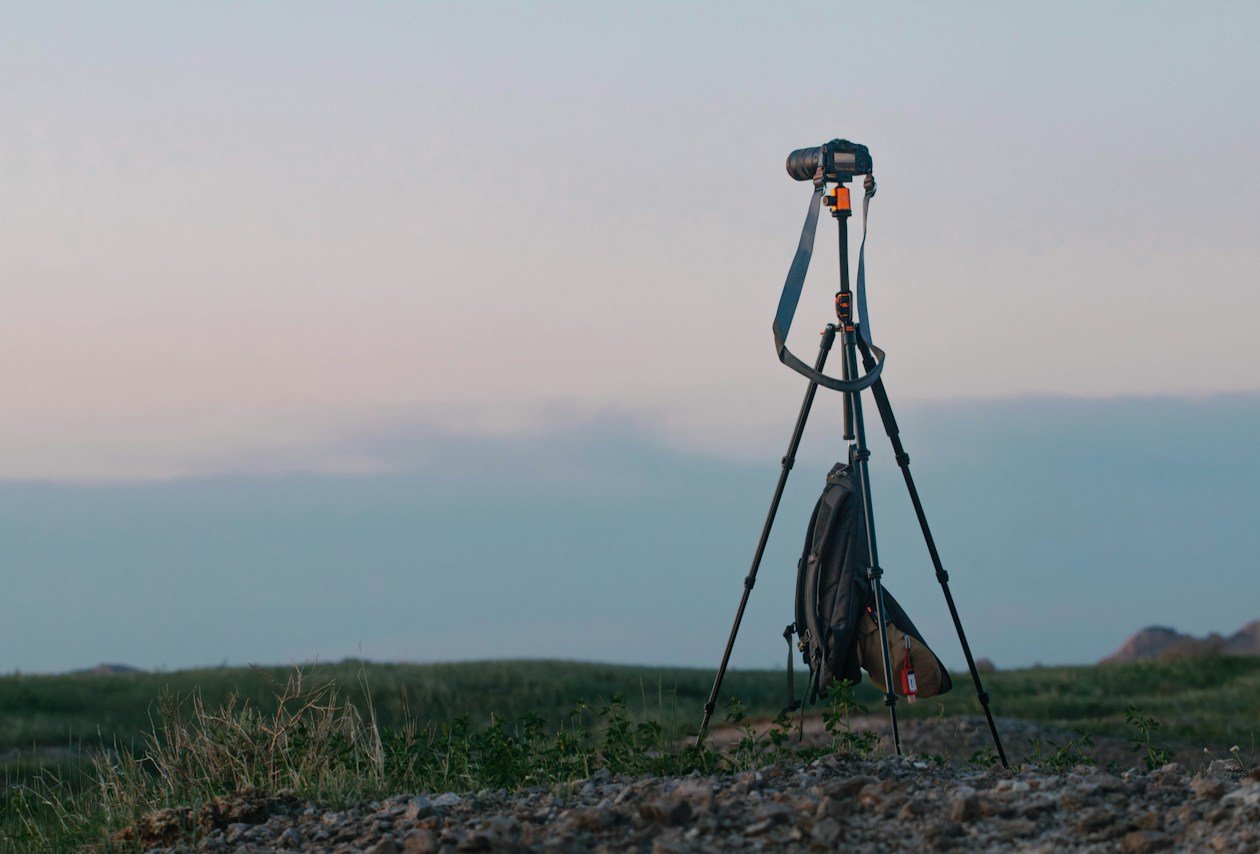
The biggest improvements rarely come from big purchases. They come from small details that finally get attention. A wobbly stand. A drawer that never closes. A light that is slightly too dim. I fixed all three in one weekend and felt like I had upgraded my whole life.
This post looks at how small details change results in two places: your shooting and outdoor setup, and the rooms where you live.
Why Stability Beats Power
Most shooters chase better equipment when the real problem is the base. A shaky platform ruins even a great setup. Steady support lets you slow down, control your breathing and repeat the same motion every time.
Think about the sources of wobble. Uneven ground, loose joints, cheap legs and rushed setups all add up. A good support system reduces them one at a time.
When you compare tripods for shooting, look at these points:
- Weight, because you will carry it
- Height range, so it fits you sitting or standing
- Leg lock design and how fast it sets up
- Foot grip on mud, rock and snow
- Head movement and how smoothly it adjusts
- Packed length for your bag or vehicle
- Noise when you move it
Seven points. Test with your own gear, not just the display model. Always follow your local safety rules and handle any equipment responsibly.
| Feature | Why it matters | What to test |
|---|---|---|
| Leg locks | Speed and reliability | Open and close with gloves |
| Head | Smooth control | Small, slow movements |
| Weight | Carry comfort | Pack it for a full walk |
| Feet | Stability on soft ground | Press on uneven surfaces |
Practice Beats Gear
Even the best support does nothing without repetition. Set a weekly practice slot and keep it short. Fifteen minutes of focused practice beats a long, sloppy session.
Keep a simple log. Write down the date, the conditions, the setup and what felt off. After a month, patterns appear. I noticed that my worst sessions all followed rushed packing, which is a habit problem, not an equipment problem.
Small routine:
- Check every joint before leaving home
- Set up in the same order every time
- Take your time before each action
- Review the session in writing
- Fix one issue before the next session
- Store gear dry and clean
Notice More as You Get Older
There is another side to this topic. As we age, we notice details we ignored when we were younger. The condition of our knees. The glare on a screen. The way a staircase feels in the dark. These observations are not a burden. They are information.
Treat them as prompts for small improvements. If you want a thoughtful look at how perception shifts over time, you can learn more about the things people notice more as they get older.
I started carrying a small notebook for these moments. When something bothers me twice, I write it down. At the end of the month, I pick the three easiest fixes and do them.
Small Home Details With Big Payoffs
The same mindset works indoors. A few small changes can transform a space:
| Detail | Small fix | Effect |
|---|---|---|
| Dim lighting | Brighter bulbs in work areas | Less strain |
| Clutter near the door | One tray and one hook | Calmer mornings |
| Slippery rugs | Non-slip pads | Fewer falls |
| Noisy hinges | A drop of lubricant | Quieter home |
Each fix takes minutes. Together they change how a house feels. If you want more ideas about everyday touches, this website is a decent place to look for inspiration on small home details.
Build a one hour Saturday ritual. Walk each room with a notepad. Write one small annoyance per room. Fix the cheapest one first.
Combine Both Into a Monthly Check
A simple monthly review ties it all together:
- Inspect outdoor gear and fix loose parts
- Walk the home and note new annoyances
- Pick three fixes and schedule them
- Replace anything worn out
- Update your practice log
- Plan one improvement for next month
Six tasks. Forty five minutes. The payoff keeps showing up.
Make Small Fixes a Weekly Habit
Big upgrades feel exciting, but small fixes keep paying. I run a fifteen minute fix-it session every Sunday evening. I carry a small bag with a screwdriver, tape, a lubricant, a few spare screws and a notebook, and I handle whatever annoyed me during the week.
The trick is to keep the list short. Choose two items at a time. When the list grows long, it becomes a chore and the habit dies. When it stays short, you finish and feel the win.
Involve the people you live with. Ask what bothers them in the house, and fix their items first. A squeaky door or a flickering light has a surprising effect on mood. Giving people their small wish builds goodwill.
Do the same with your gear. After each outing, wipe it down, check the joints and write one line about what to change. A habit of tiny repairs prevents the failure that ruins a great day outside.
Finally, take a photo of each fixed item. A visible record of progress feels good and keeps you going.
Conclusion
Small details decide whether a setup feels reliable or frustrating. Choose stable support gear, practice in short regular sessions and fix home annoyances one at a time. Pick one wobble and one annoyance to repair this weekend. Tiny fixes add up faster than any big purchase.