
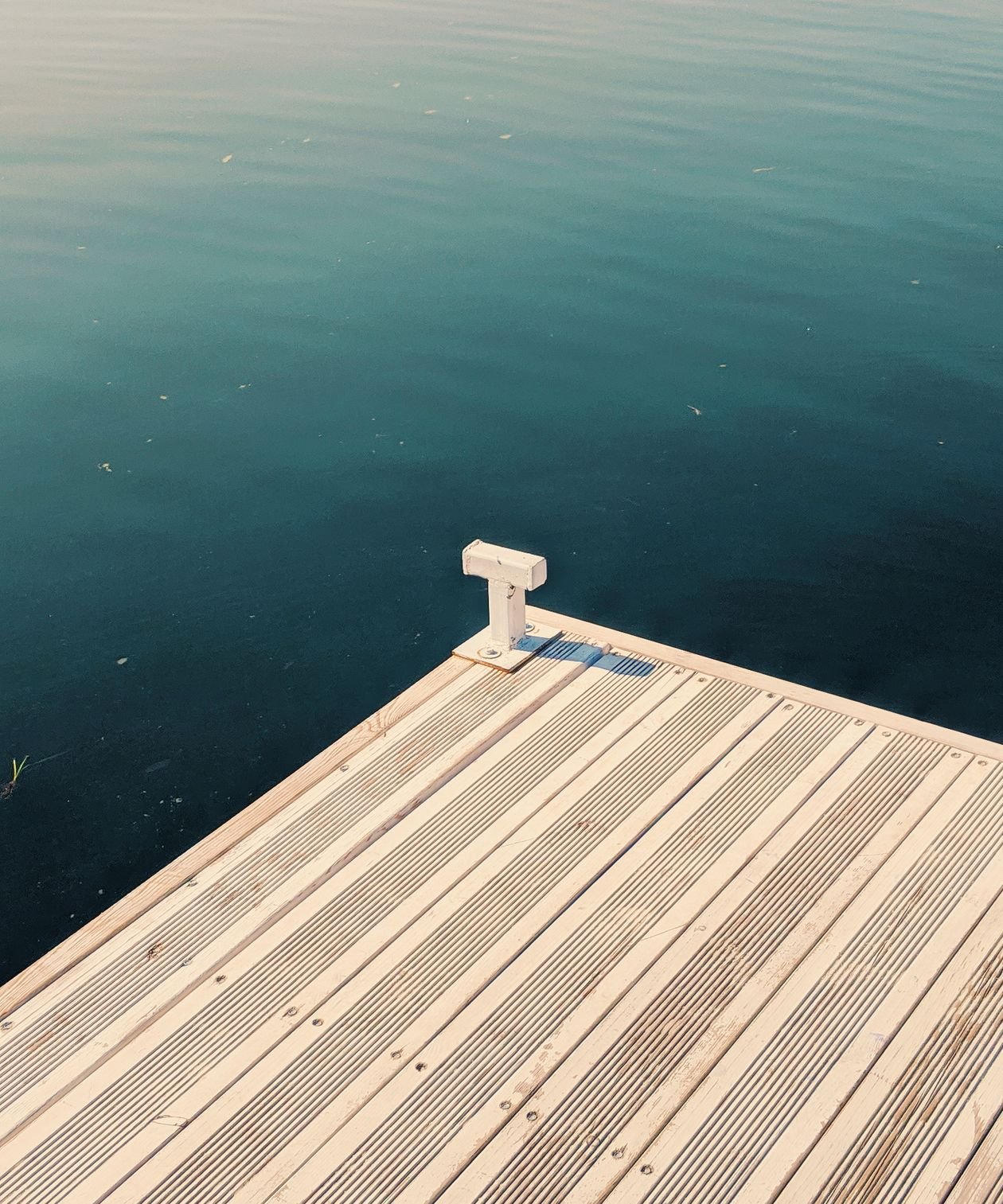
Waterfront properties look calm and cost money in ways that sneak up on you. Salt, moisture, ice and shifting ground all push on the same few structures. I once helped a friend walk a dock he had owned for six years, and we found rot he had walked past a hundred times.
This post shows how to spot trouble early on supports and plumbing, how to budget for repairs, and how to build a yearly routine that keeps small problems small.
Start With What Holds the Structure Up
Everything above the waterline depends on what sits below it. Pilings carry decks, docks, boathouses and sometimes entire buildings, and they age quietly.
Look for these warning signs during a low-water inspection:
- Cracks or splitting near the waterline
- Soft or crumbling surface when you press with a screwdriver
- Leaning or visible shifting
- Marine growth hiding damage
- Rust streaks around metal fittings
- Gaps where the piling meets the deck
- Sounds that were not there last year
If you spot two or more, call a qualified marine contractor. Searching for piling repair options early gives you a sense of what the work involves and what questions to ask before a quote lands. Early repair costs a fraction of replacement.
| Condition | Typical urgency | Likely next step |
|---|---|---|
| Surface wear only | Low | Monitor yearly |
| Localized cracks | Medium | Professional assessment |
| Soft or hollow wood | High | Repair soon |
| Visible leaning | Urgent | Restrict use, call a pro |
Take photos at the same angle each year. Side by side, change becomes obvious.
Protect the Pipes Before the First Freeze
Water lines near docks and shorelines face harsh conditions. Cold air, wind off the water and long exposed runs make them prime freeze targets.
Insulation helps, but on very exposed lines many owners add heat tracing so the pipe stays above freezing during a cold night. The idea is simple: a cable runs along the line and keeps it warm enough that water keeps moving. Check the product rating for outdoor and wet conditions before you buy, and have a licensed electrician handle the connection. Water and electricity do not forgive shortcuts.
Here is what I check every October:
- Insulation intact with no gaps or soaked sections
- Power supply and ground fault protection tested
- Thermostat reading sensible values
- Pipe supports secure and free of rust
- Shutoff valves labeled and reachable
- Drain points working for winterizing, if the line is seasonal
Six items. Fifteen minutes. It beats a flooded dock house in January.
Budget for Repairs Before They Become Emergencies
Here is where owners get hurt. The structure is sound until it is not, and then the quote shows up with a lot of zeros.
Set aside a repair fund. A common approach is a fixed percentage of the property value each year, adjusted for age and exposure. Use a quick table to track it.
| Year | Planned inspection | Planned repair | Reserve added |
|---|---|---|---|
| Year 1 | Full survey | Minor fixes | Start the fund |
| Year 2 | Photo comparison | Targeted repairs | Add to fund |
| Year 3 | Professional check | Larger item | Review amount |
If cash flow gets tight, you are not alone. Owners who run businesses from waterfront locations feel it most. If that sounds familiar, click here for money moves that help struggling businesses turn things around.
Don’t borrow to fix what an inspection could have caught for free.
Keep a Maintenance Log
A log turns a worried owner into an organized one. Record the date, the area, what you saw and what you did. Add photos. Insurers and buyers both like a paper trail, and I like not guessing what happened three winters ago.
Keep it simple. A shared folder and a spreadsheet with four columns will do the job. Review it each spring and each fall, and mark anything that appears twice.
Build a Yearly Rhythm
Spread the work so it never feels like a crisis:
- Spring: inspect supports after ice melt, check drainage and clear debris
- Summer: schedule larger repairs while weather is stable
- Fall: protect pipes, test heat systems and secure loose items
- Winter: monitor after storms and cold snaps, and keep a contractor’s number handy
Short, regular visits catch more than one frantic inspection ever will.
Watch the Water and the Weather
Water level, tides, waves and ice all change the stress on a structure. A support that looks fine in calm summer water can behave very differently during a storm surge or a spring thaw. Keep a simple weather diary for the property. Note big storms, unusual high water and any ice movement against the structure.
After each event, walk the shoreline and look for new gaps, shifted boards or loose hardware. Early notes help your contractor trace the cause of a problem and decide whether a quick fix will hold.
I also check drainage around the building. Pooled water near a foundation, a clogged gutter or a blocked culvert can undermine the ground over time. These fixes are cheap compared with structural work, and they protect the investment you already made.
Last, keep a few basic supplies on site, such as a flashlight, a tarp and a spare shutoff key. The day you need them is not the day to go shopping.
Conclusion
Waterfront upkeep comes down to three habits: inspect supports on a schedule, protect water lines before cold arrives, and fund repairs before they become emergencies. Pick a low-water day this month, take photos of every support and open a blank maintenance log tonight. Small problems get cheap when you find them first.