
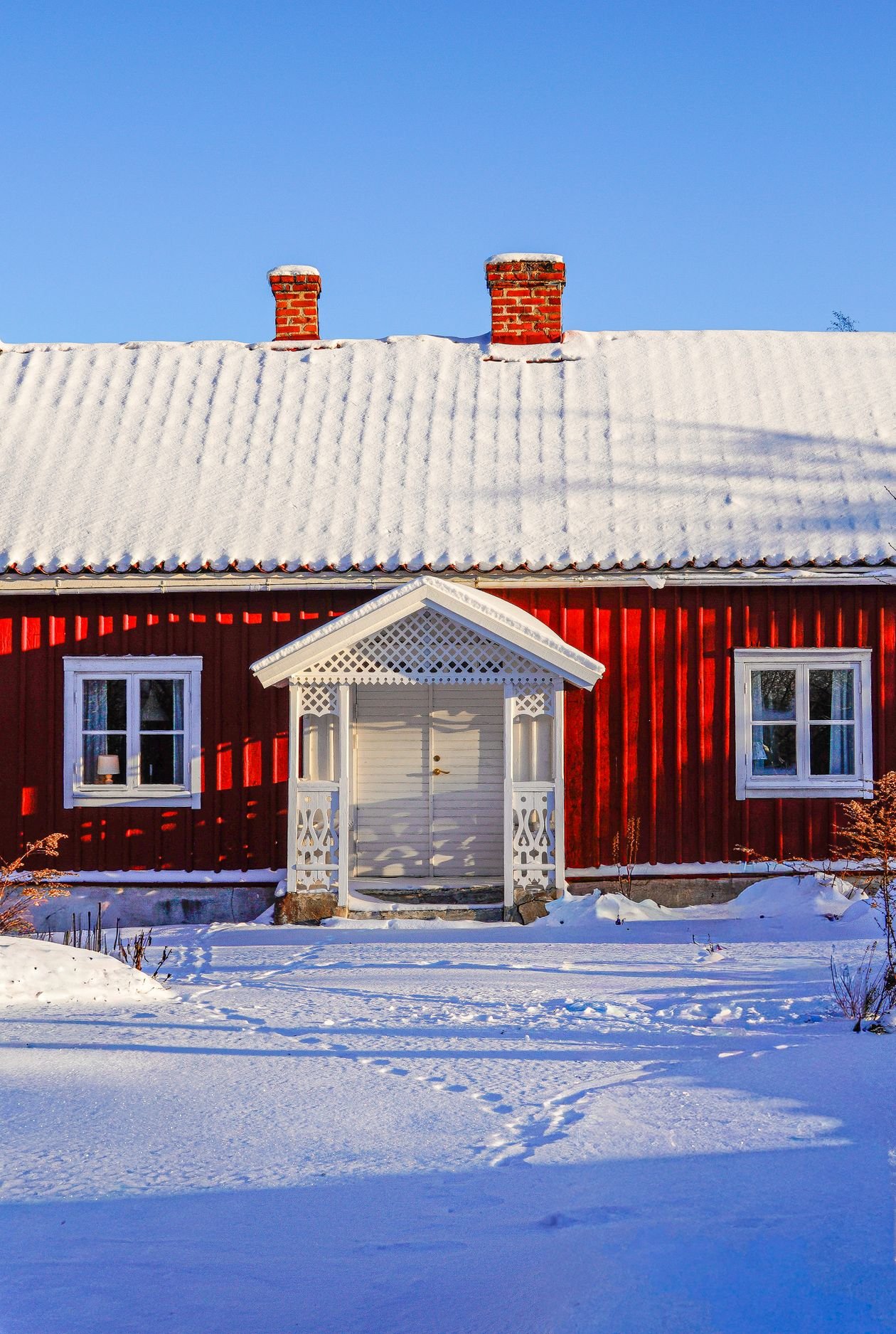
Plenty of people dream about a cabin, a quiet property and a weekend that belongs to them. Fewer people design the career that makes it possible. I know a nurse who works long shifts in a city hospital and spends her days off at a remote cabin. She did not stumble into that life. She built it on purpose.
This post shows how to shape a career around the lifestyle you want, then prepare the practical side of off-grid weekends, from comfort systems to outdoor gear.
Start With the Life, Then Pick the Work
Most people choose a job, then squeeze a life around it. Flip that order. Write a short description of an ideal week. How many days of work. How many days away. Where you sleep. What you do outside.
Then look for work that fits those numbers. Some roles offer block scheduling, such as several shifts packed together followed by long stretches off. Healthcare, aviation, trades and project based work often work this way.
| Career pattern | Typical schedule | Fit for off-grid life |
|---|---|---|
| Block shifts | Several days on, several off | Strong |
| Project contracts | Intense periods, then breaks | Strong with planning |
| Remote salaried work | Steady hours, flexible place | Medium |
| Standard nine to five | Fixed weekdays | Weaker, weekends only |
Be honest about trade-offs. Block scheduling often means long, tiring days. Rest is part of the plan.
Look at Professional Groups and Specialty Paths
Specialized professions often have staffing groups or practice organizations that shape schedules, pay and location options. A group such as Ob Hospitalist Group is the kind of organization a physician might review when thinking about how a hospital based specialty fits personal priorities. Do your own research on any employer, and ask direct questions about scheduling, call duties and time off.
I like a simple scoring method. Rate each job offer from one to ten on income, schedule, location, growth and stress. Add the scores and compare. The result is rarely surprising, but it keeps emotion from making the decision alone.
Questions to bring to any interview:
- How are shifts or hours scheduled?
- How far in advance do I get my calendar?
- How are vacation requests handled?
- What is the policy on overtime or extra coverage?
- How does the team handle burnout?
- What does a typical month look like?
Prepare the Off-Grid Space
Once the career supports the lifestyle, prepare the place itself. Off-grid cabins face cold, isolation and limited services. Plumbing is the first system to fail in winter.
Plan for water from the start. Insulate lines, drain what you can and protect what you cannot. For exposed pipes, many property owners add a heating cable as part of a layered approach, and a licensed electrician should check the power side. Remember that off-grid power is limited, so confirm what your system can safely support.
| System | Common cold weather issue | Preparation |
|---|---|---|
| Water | Frozen lines | Insulate, drain, add heat |
| Power | Limited supply in winter | Size the system honestly |
| Heating | Fuel supply and ventilation | Stock fuel, install alarms |
| Access | Snow and ice | Plan clearing and a backup route |
Comfort is not a luxury. It is what keeps you going back.
Gear Up for Time Outdoors
If your off-grid days include hunting or wildlife work, equipment choices matter. A steady shooting platform is one of those choices. Hunters often research the best hunting tripod by comparing weight, height range, stability on uneven ground and how quickly it sets up. Test any model in the field before you rely on it, and follow all local regulations and safety rules for your region.
Basic outdoor gear checklist:
- Layered clothing and waterproof boots
- A reliable light source with spare batteries
- First aid kit and a way to call for help
- A navigation tool that does not depend on a signal
- A steady support for shooting or glassing
- Water and emergency food
Six items. Keep them in one bin so they are ready when the schedule opens up.
Protect Your Money and Your Time
Off-grid dreams get expensive. Land, systems, repairs and travel add up. Build a separate account for the cabin, fund it automatically and review it monthly. Decide in advance what you will not buy.
Protect your time too. When your schedule is flexible, boundaries matter even more. Say no to extra shifts that eat the weekends you worked hard to earn.
Build a Financial Runway
Freedom costs money, and the bill often arrives before the benefits. Before you cut hours or move toward a remote life, build a runway. Aim for a savings cushion that covers several months of living costs, plus a separate fund for cabin repairs and travel.
I like to split the target into small monthly steps. A number that feels small is easy to automate, and automation is the habit that makes savings real. Track progress with a simple chart on the wall.
Look at your fixed costs honestly. Housing, vehicle payments and subscriptions can quietly eat the freedom you are trying to build. Cutting one large cost often does more than a dozen small ones.
Finally, keep your skills fresh. A career with options is safer than one without. Take a course, earn a credential or build a side skill that gives you leverage if your schedule or employer changes. Flexibility is the best insurance for a life you designed.
Conclusion
A career that supports off-grid living starts with a clear picture of the life you want, a schedule that fits it and a property prepared for cold and distance. Write your ideal week tonight, score your current job against it and make a plumbing checklist for your cabin. Build the life on purpose.